Los Angeles backyards invite you outside for more days than not. Mild winters, long evenings, and a culture that values entertaining make a well designed paver patio one of the best upgrades a homeowner can make. At Ridgeline Outdoor Living, we build patios that match the architecture, respect the site’s constraints, and stand up to coastal moisture, hillside soils, and summer heat. What follows is a curated look at 15 patio designs Los Angeles homeowners consistently choose, with practical notes from the field on materials, build quality, and cost considerations in our region.
Designing for Los Angeles Sites and Microclimates
Across LA County, two blocks can feel like different cities. Marine layer fog near Santa Monica, hot valley afternoons in Encino, clay heavy soils in Pasadena, and sandy pockets near the South Bay all affect how a patio should be built. On flats, we often prioritize permeability and subtle grading to move water. On slopes, our crews coordinate patios with retaining walls to create level terraces and stable edges. Where homes back up to canyons, we tie hardscape into drought tolerant plantings to reduce irrigation and erosion.
Drainage drives longevity here. Even in a dry climate, the few intense winter storms do the damage. We frequently integrate channel drains at patio thresholds, weir walls that spill water into planted swales, and French drains behind retaining elements to protect structures. If you have pooling near doors after a rain, or salt efflorescence creeping up stucco, those are red flags that the new patio should double as a drainage upgrade. The best paver patio design solves water management without calling attention to itself.
The 15 Patio Designs LA Homeowners Keep Requesting
1. Herringbone Brick for Spanish Revival Charm
Older Los Angeles neighborhoods wear clay brick beautifully. In Windsor Square or Hancock Park, a herringbone pattern framed with a soldier course suits 1920s and 30s Spanish Revival or Tudor homes. We source clay brick that holds color rather than surface staining, and we lay it over a stabilized base so the pattern stays crisp. Herringbone disperses load well, which helps resist rutting beneath heavy furniture.
2. Large Format Porcelain on Pedestals for Rooftop Terraces
Where yards are small, rooftops become living rooms. Porcelain pavers set on adjustable pedestals float above waterproof membranes, creating a level surface that drains freely. The tile like finish reads clean and modern, and the system allows easy access to utilities. In West Hollywood and Downtown loft conversions, a 24 by 24 inch or 24 by 48 inch tile in a light tone keeps heat gain down so the terrace stays comfortable at sunset.
3. Linear Concrete Pavers With Gravel Joints
For contemporary homes in Venice or the Hollywood Hills, we often run long concrete pavers with tight joints infilled with Mexican beach pebble or crushed dark gravel. The gravel joints relieve runoff pressure, break up large slabs visually, and hide lighting conduits. This is a smart choice when you want a modern look without the crack lines that poured concrete often develops as it cures.
4. Tumbled Travertine Courtyard for Mediterranean Warmth
Travertine pavers feel cool underfoot and pair naturally with stucco, clay tile roofs, and wrought iron details. We use thicker, tumbled pieces for driveable or heavy use zones and seal them to resist wine and oil stains. In Arcadia and San Marino where Mediterranean architecture is common, a travertine courtyard with a central fountain changes how a home is used, especially when combined with low, drought tolerant plantings.
5. Permeable Field With Decomposed Granite Insets
Water wise design is not a visual compromise. A permeable paver field bordered by bands of stabilized decomposed granite reduces runoff, meets city infiltration goals in many jurisdictions, and keeps tree roots healthier. We have replaced stamped concrete with this look to solve slippery surfaces and drainage citations, a reminder that Paver Patios vs Stamped Concrete: Pros and Cons goes beyond style. In heavy rains, permeable systems keep patios usable while neighbors watch water sheet across slabs.
6. Circular Fire Pit Nook With Cobble Accents
A round conversation pit reads timeless and pulls friends in without effort. We lay a circular pattern of tumbled cobbles or fan set brick around a gas fire feature, then transition to a rectangular field to keep dining space practical. When clients ask for 12 Backyard Fire Pit Ideas for Entertaining Year-Round, this composition lands near the top because it creates two zones without building walls.
7. Outdoor Kitchen Patio Tailored to LA Cooking
A good patio often wraps an outdoor kitchen. In Los Angeles, costs for an outdoor kitchen typically range from 15,000 to 45,000 depending on appliances, utilities, and finishes, with luxury builds capable of running higher. We align the paver selection with the kitchen’s stone or stucco finish, plan for grease management near grills, and add task lighting under the countertop lip. Outdoor Kitchen Trends Los Angeles Homeowners Are Choosing lean toward ceramic kamados, flat tops, and fridge drawers that disappear behind cabinet panels. The patio itself needs harder wearing, denser pavers under cook zones to simplify cleanup.
8. Poolside Pavers That Stay Cool and Grip Well
Pool decks succeed or fail on foot comfort and slip resistance. We use textured porcelain, cooler toned concrete pavers, or honed and sandblasted natural stone where budgets allow. Drainage gaps and discreet slot drains capture splash out. In the Valley, we avoid dark pavers that bake feet by 2 p.m. Pool Landscaping Ideas for Los Angeles Homes frequently pair light pavers, a low water lawn panel, and a raised bond beam that doubles as seating.
9. Ribbon Pavers With Turf for Narrow Side Yards
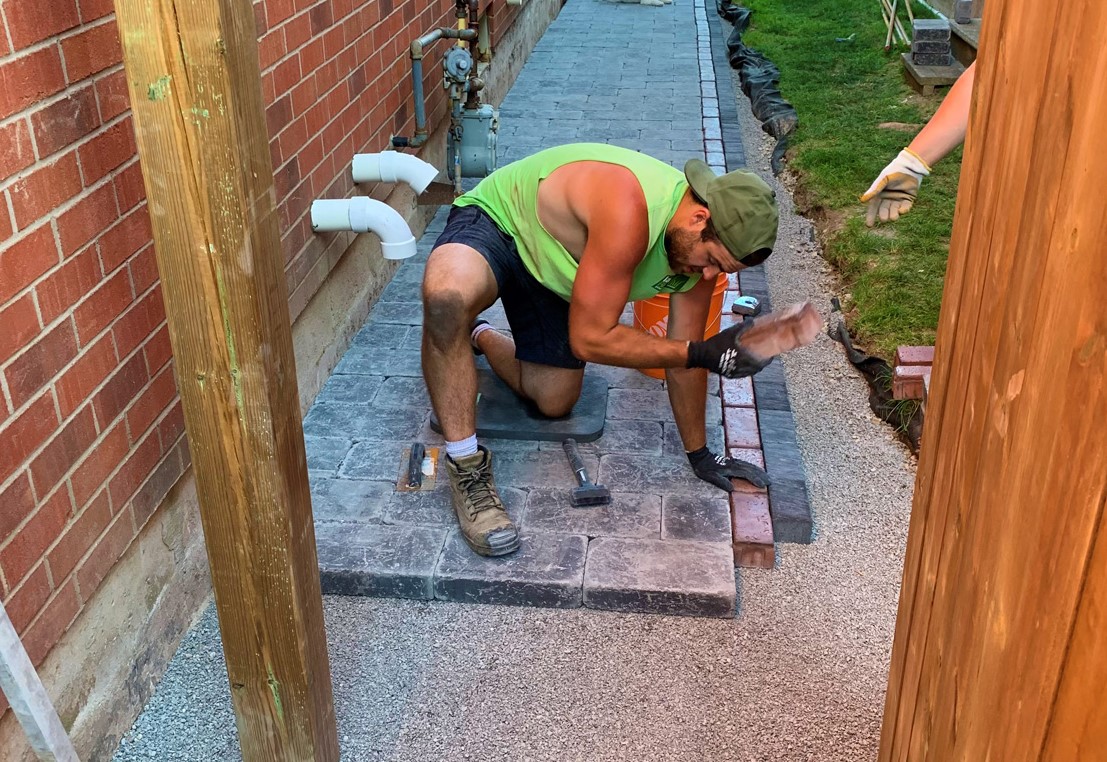
Side yards can host lounge chairs, herb gardens, or a dog run. Ribbon pavers set in artificial turf keep mud out of the house and soften a tight space. Artificial Turf vs Sod: What’s Best for Los Angeles Homes depends on shade and use. For side yards with little sun and heavy traffic, good turf solves bald patches and leaves joints crisp. We slope slightly away from foundations and add a narrow catch drain against the wall if roof scuppers dump water there.
10. Hillside Terraces With Integrated Retaining Walls
Many LA lots have grade changes that frustrate casual designs. We build a series of small patios linked with steps rather than one tall wall and a single level. Retaining Walls for Hillside Properties: What Homeowners Need to Know include proper geogrid and drainage blankets, not just pretty face stones. Each terrace gets a distinct function, dining above, a lounge mid slope, and a quiet morning coffee nook at the top with city views.
11. Cobble Circle Under a Shade Tree
Mature trees anchor a yard, but their roots upend hardscape if not respected. A dry laid cobble circle with a broad mulch bed at the trunk keeps the root zone breathable. We keep hardscape outside the drip line where possible and choose permeable jointing sands to share water. When the Santa Ana winds come through, this patio type sheds leaves and dust with a quick blower pass and does not show stains the way smooth slabs do.
12. Flagstone Look Using Concrete Pavers
Natural flagstone is beautiful but pricey to install over large areas because of the hand fitting. Several manufacturers produce concrete pavers shaped and colored to mimic irregular stone, which we lay in patterns that break repetition. Clients who want 15 Luxury Hardscape Ideas for Southern California Homes often choose this to get a resort feel without the maintenance of soft, layered stone.
13. Fully Permeable Courtyard That Solves Flooding
If your property shows 10 Signs Your Yard Needs Better Drainage, a fully permeable patio can be part of the cure. We excavate deeper, install a graded aggregate reservoir, add underdrains where needed, and pave with permeable pavers and open joints. French Drains Explained: Protecting Your Property From Water Damage is relevant here, since rear yard French drains can tie into the patio system to intercept hillside seepage.
14. Mixed Material Modern Patio With Wood Look Porcelain
Warm wood tones without the upkeep appeal to busy homeowners. Wood look porcelain pavers bordered by steel edging and punctuated by Corten planters create a gallery like outdoor room. We tuck 10 Outdoor Lighting Ideas for Los Angeles Landscapes into this style, using concealed LED strips under benches and small in ground lights that wash the steel with a soft glow. The result feels custom yet durable.
15. Entertainer’s Patio With Water and Fire
Fire features extend evenings and water features dampen street noise. When clients ask for 15 Fire and Water Feature Ideas for Modern Landscapes, we often build a long, linear gas fire integrated into a low seat wall, with a narrow rill that runs behind it. The paver field aligns to both elements so the space feels planned, not pieced together. Water usage stays modest with recirculating pumps and smart timers, consistent with The Ultimate Guide to Drought-Tolerant Landscaping in Los Angeles.
Materials That Perform in Southern California
Concrete pavers remain the workhorse for cost control and performance. They install quickly, offer tight dimensional tolerances, and allow targeted repairs if a section settles or a utility trench must be opened. Color through products resist chipping better than face mix only, and we prefer pavers with true spacers to hardscape design Pasadena maintain uniform joints.
Porcelain has surged in popularity for modern homes and rooftop applications. It resists staining, holds color, and runs cooler than many dark concretes. The tradeoff is that it demands a more precise base and careful edge detailing, since its density makes cutting and chipping unforgiving without the right blades.
Natural stone still speaks luxury. Travertine and limestone are the common choices in LA, with basalt or granite used in smaller highlight zones. We seal stones appropriate to the application and coach clients on maintenance schedules. Soft stones near grills or under lounge chairs with metal feet need extra care, a fair trade for their warmth and character.
Permeable paver systems matter more each year. Cities continue to tighten stormwater rules, especially in hillside and coastal areas. We have secured permits faster when designs include infiltration or detention volumes under patios. These systems cost more upfront, but they reduce downstream drainage problems and can avoid unsightly surface drains.
Build Quality You Feel Underfoot
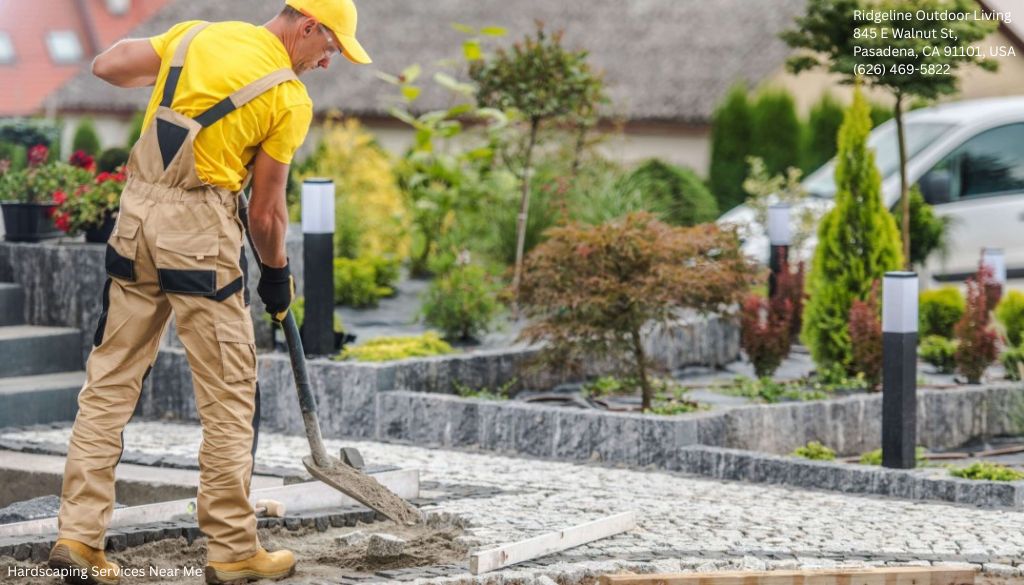
A patio is only as good as its base. We typically excavate 6 to 12 inches depending on soil and loads, compact in lifts with plate compactors or rammers, and stabilize the base with geotextile over clay or expansive soils. Edge restraints keep borders from walking out, an easy place to cut costs and then regret it. Joints are swept with polymeric sand and misted in light passes to lock the surface without crusting.
Cuts matter to the eye. On modern patios with long lines, we align cut edges with sight lines from the house so the field reads intentional. We dry lay complex patterns before final setting to prevent last minute compromises. You will notice the difference every time you pull a chair back and the leg does not catch an edge.
A Short Specification Checklist That Prevents Callbacks
- Compaction test or documented passes for base layers, especially on clay or fill Minimum 2 percent fall away from structures, confirmed with a laser level Edge restraints pinned every 12 to 18 inches, not just at corners Polymer modified joint sand suited to joint width and exposure Drain plan that includes where water goes beyond the patio’s edge
What Projects Cost in Los Angeles and How We Phase Them
Patio budgets vary with access, materials, and site work. On flat, open backyards with standard concrete pavers, many patios land between 25 and 45 per square foot installed. Add retaining walls, drainage upgrades, or porcelain on pedestals, and 50 to 90 per square foot is common. Natural stone, complex curves, or extensive utilities push projects higher. If an outdoor kitchen is part of the plan, factor 15,000 to 45,000 for appliances, gas and electric runs, and finishes. Permitting can be light for at grade patios, though hillside homes and coastal zones invite more review. Homeowners associations sometimes regulate finishes and colors, a detail to check early.
We often phase projects when budgets need breathing room. Start with the patio and primary utilities, stub for a future kitchen, and rough in lighting conduits so upgrades do not scar finished work. This approach helps avoid 10 Backyard Renovation Mistakes to Avoid, particularly the classic error of forgetting about drainage and power until after the slab goes down.
Lighting, Planting, and the Edges That Make It Sing
Great patios look finished at the edges. A low planter with drought tolerant shrubs, aromatic herbs near the dining table, and a small water bowl that hums near the lounge chairs can turn a rectangle into a room. The Best Drought-Tolerant Plants for Los Angeles Yards include Ceanothus, manzanita, rosemary, and Lomandra. We set them in groups that read full in three years, not three months, and we run drip lines on separate zones so patios do not see overspray.
Lighting should help the eye, not blind it. We place step lights low so treads glow, add small bullets that graze walls rather than blast faces, and use warm color temperatures so food and wood tones look inviting. 10 Outdoor Lighting Mistakes That Reduce Curb Appeal usually start with glare and mismatched color temperatures. A consistent 2700 to 3000 Kelvin palette is a safe range for most patios.
Durability, Care, and Small Fixes That Pay Off
Even the best patio needs minimal care. Sweep regularly, hose down dust after winds, and refresh joint sand when it erodes at edges. Sealers prevent stains where grills and dining tables live, although sealers vary. Some deepen color, some add sheen, and some are nearly invisible. We test a small area first so the finish suits the homeowner’s taste.
If you see a low spot collect water after a storm, mark it. A good crew can lift a few pavers, add base material, and relay the surface in hours. That is one of the 10 Hardscaping Features That Increase Property Value with minimal risk: pavers allow isolated fixes without jackhammering a slab. If a tree grows into a border, we can stretch the joint line or swap to a flexible edging. Think of a patio as a system, not a monolith.
Where Patios Meet the Rest of the Property
Driveways, walkways, and patios do not need to match, but they should relate. 15 Driveway Paving Ideas to Improve Curb Appeal often share border colors with the backyard to maintain continuity through gates and side yards. On steep drives in the hills, we lean on textured pavers and added drainage to reduce tire squeal and water sheet flow into garages. The Complete Guide to Hillside Landscaping in Los Angeles applies at the front curb as much as the rear terrace.
Pergolas vs Covered Patios: Which Is Right for Your Home depends on sun patterns and architecture. Slatted pergolas can drop midday temperatures without triggering full permit reviews that roofed structures sometimes require. We often integrate pergola posts into the paver layout so furniture placement remains intuitive and circulation clear.
How We Approach Design Build for Real Homes
How Ridgeline Outdoor Living Creates Functional Outdoor Living Spaces comes down to listening, then testing ideas against actual site conditions. We map where shadows fall at different times, measure door thresholds against finished patio slopes, locate utilities so future work stays simple, and reconcile wish lists with budgets. When a client asks How to Prevent Yard Flooding With Proper Drainage Solutions, we design the patio first as a water manager, then as a showpiece. When the priority is hosting, we plan for circulation and sound, adding soft surfaces and plant mass to keep music and conversation comfortable.
We encourage homeowners to ask 10 Questions to Ask Before Hiring a Landscape Contractor, including how change orders are handled, what compaction standards are used, and who pulls permits. A patio is a long term investment. Why Professional Landscape Design Saves Time and Money is not a slogan but a reality when a single team steers design, engineering, and build under one roof.
Business Name: Ridgeline Outdoor Living
Address: 845 E Walnut St, Pasadena, CA 91101, United States
Phone: (626) 469-5822
Ridgeline Outdoor Living
Ridgeline Outdoor Living is a Pasadena-based landscape design-build company serving Greater Los Angeles with custom outdoor living, hardscape, and drought-tolerant landscape solutions. The company specializes in patios, retaining walls, outdoor kitchens, drainage, hillside projects, and turnkey landscape construction, handling projects from design and permitting through final build and warranty.
845 E Walnut St, Pasadena, CA 91101, USA
Business Hours:
- Monday – Saturday: 8:00 AM – 6:00 PM
- Sunday: Closed
Follow Us:
Choosing Your Patio With Confidence
If you want an outdoor room for everyday meals, start with scale and circulation. If drainage issues keep you from using the yard in winter, elevate permeable options. If your home has strong architectural language, borrow from it. Spanish herringbone brick, modern linear porcelain, and tumbled cobbles all work in LA, but they work best when they complement the house and the site. We have built each of the 15 Paver Patio Designs Los Angeles Homeowners Love in varied contexts, from compact bungalows to hillside estates, and the best version is the one that fits your life.
When you are ready to sketch ideas, bring a tape measure and walk the space at the times you would use it. Map where you want the grill, how chairs pull out, and what you want to see from the kitchen sink. Good patios are not just collections of pavers. They are balanced rooms that manage sun and water, welcome people, and look like they have always belonged there.